
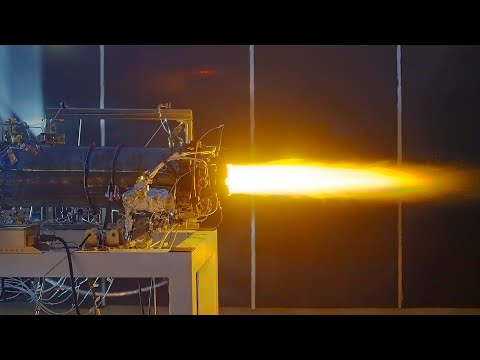
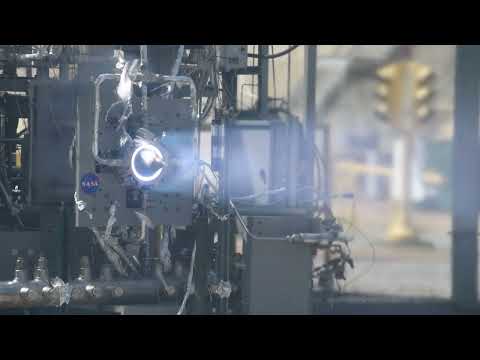
Venus Aerospace, a Houston-based company, is pioneering the next generation of hypersonic propulsion with its Rotating Detonation Rocket Engine (RDRE). This engine, as the name suggests, creates thrust using controlled shockwaves instead of the continuous combustion seen in traditional engines. By doing so, it promises improved efficiency, smaller size, and reduced fuel consumption. Supported by NASA technology, Venus Aerospace is preparing for an essential test flight this summer. While specific details of the test are limited, this step is expected to validate the RDRE’s operational viability and readiness for further development.
Why hypersonic technology matters
Hypersonic travel, defined as speeds exceeding Mach 5, has tremendous potential to reshape global mobility and logistics. Venus Aerospace’s flagship concept, the Stargazer aircraft, aims to achieve speeds of Mach 9. If realized, this would mean drastically cutting global travel times, for instance, flying from Los Angeles to Tokyo in approximately an hour. The Stargazer is designed to accommodate 12 passengers, initially focusing on the business and luxury markets. Beyond civilian applications, the ability to move goods, people, or critical resources across the globe in just a few hours has significant implications for industries such as defense, logistics, and emergency services, or even space exploration, given the latest news from the Texas Space Commission.
By clicking play, you agree to YouTube's Terms of Service and Privacy Policy. Data may be shared with YouTube/Google.
The hypersonic space is attracting significant investment due to its strategic and commercial potential. Venus Aerospace recently secured a $3.9 million grant from the Texas Space Commission. While substantial, this amount is relatively modest compared to the billions typically involved in aerospace innovation. Such funding acknowledges the strategic importance of advancing hypersonic capabilities, particularly in defense and competitive aerospace markets. NASA’s collaboration with Venus enhances the company’s credibility, suggesting a recognition of its innovative approach.
Environmental implications and cost barriers
Like other emerging technologies, hypersonic developments come with challenges. The RDRE and similar engines release substantial water vapor at high altitudes, raising concerns about their potential impact on the climate. For example, water vapor in the stratosphere can have a more pronounced greenhouse effect compared to emissions closer to the ground. However, detailed comparative analyses with existing aviation engines are necessary to understand the trade-offs fully.
By clicking play, you agree to YouTube's Terms of Service and Privacy Policy. Data may be shared with YouTube/Google.
Another challenge is cost. Ticket prices for hypersonic travel are expected to be significantly higher than those for conventional long-haul flights, positioning early services as exclusive luxuries. Additionally, specialized infrastructure, such as advanced airports and fueling options, would be required to fully operationalize such travel, which would raise logistical and economic barriers.
Also interesting: Unveiling the Function of Jet Propulsion Engines
Venus Aerospace envisions a future extending far beyond high-speed passenger transport. The Stargazer aircraft could play a role in launching satellites more efficiently, reducing the time and cost of deploying hardware into orbit. Similarly, hypersonic technology could provide a foundation for next-generation space exploration, moving between Earth and orbital stations at unprecedented speeds. For now, the company’s focus remains on proving its RDRE technology through scheduled tests and scaling operations for its niche markets.

By clicking play, you agree to YouTube's Terms of Service and Privacy Policy. Data may be shared with YouTube/Google.
If its efforts succeed, Venus Aerospace could redefine the way we think about travel and connectivity, bringing previously unimaginable speeds into practical reality. The results of its upcoming test flight will mark a significant milestone on this path. They could signal the start of a new transportation era, depending on how the flight demonstration goes later this summer.
Photo credit: The feature image is owned by Venus Aerospace and has been provided as part of their press release.
Source: Texas Space Commission / Venus Aerospace press release
