
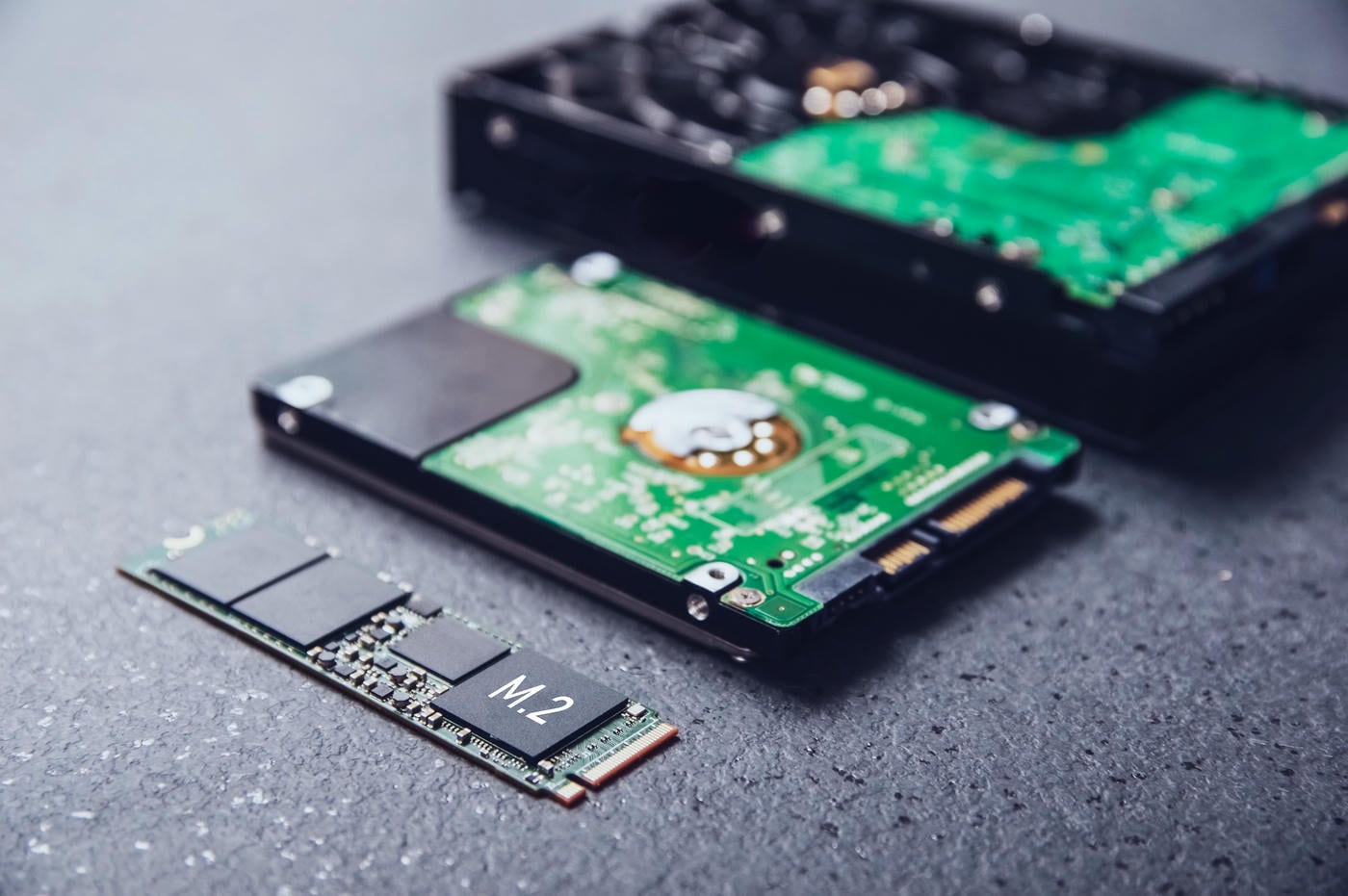
Shopping for an SSD can feel like solving a mystery. Why does one 2TB drive cost $89 while another with the same capacity is over $250? The answer lies in the intricate technology beneath the surface. SSDs (solid-state drives) are storage devices that utilize flash memory to deliver significantly faster speeds compared to traditional hard drives. They’ve improved everything from boot times to handling demanding tasks. But not all SSDs are built the same.
The NAND family: How bits per cell shape price and performance
Market analysts point out that bits per cell remains the most reliable predictor of SSD pricing. For example, QLC squeezes almost four times the data into the same silicon footprint that SLC occupied a decade ago. Late 2023 data also shows that as supply tightened, prices for 512GB TLC chips jumped 120% from mid-year lows, illustrating how density and inventory swings combine to set sticker prices.

Four primary types of flash memory storage dominate today’s SSD market: SLC, MLC, TLC, and QLC. Each packs an extra bit into every cell, trading endurance and write speed for density and lower cost per gigabyte. The typical program/erase lifetime for these types is:
That density ladder drives pricing, TLC and QLC cram far more gigabytes onto the same wafer area, so they headline budget-oriented drives. Conversely, SLC and MLC still power industrial gear where longevity matters, fueling the perennial TLC vs. SLC debate among engineers and enthusiasts.
Behind the label: Tricks that make SSDs cheaper
Higher bits per cell aren’t the only reason some SSDs undercut others. Manufacturers exploit multiple levers to squeeze value from each square millimeter of silicon. None of these are visible on the shiny retail label; buyers must dig into datasheets or teardowns to spot the differences.
- Bits per cell: Doubling bits nearly doubles capacity with a modest die-sized bump. QLC’s 33% capacity gain over TLC is a significant cost reducer.
- Layer count: Moving from 96-layer to 232-layer stacks spreads fixed fab costs across more dies. Micron’s 232-layer TLC delivers record density, narrowing the historic cost gap with QLC.
- DRAM-less controllers: Cutting the external DRAM buffer saves a few dollars and a watt or two, ideal for entry-level NVMe sticks.
- Firmware SLC caches: Short SLC-mode buffers mask QLC’s slower sustained writes, making a budget drive appear faster during everyday bursts.
- Supply-demand shocks: A global oversupply in late 2023 led to a 45% year-over-year decline in NAND revenue, and SSD street prices followed suit. However, by January 2024, vendors warned of potential price hikes of up to 50% to restore their margins.
Why cheap isn’t always cheerful: Endurance still matters
Engineers often reach for MLC NAND when a design must withstand frequent write bursts while maintaining predictable latency, such as in factory automation controllers, telecom base stations, and medical imaging equipment. In these roles, a longer service window and a significantly lower risk of unplanned downtime offset the modest price premium, ultimately reducing the total cost of ownership.
This insight explains why industries continue to choose MLC in 2025. When workloads push tens of terabytes of writes per day, the endurance gap separating TLC vs. SLC is anything but academic. Shaving a few dollars off the bill of materials pales next to the cost of premature flash failure.
New workloads reshaping NAND demand
The SSD market is shaped not only by technology but also by shifting demands. For example, AI investments by North American cloud giants are expected to create an enterprise SSD shortage in Q3 2025, potentially driving prices up by 10%.

Consumer workloads are shifting, too. Spatial computing uses augmented reality, AI, and IoT to create immersive experiences. Streaming volumetric video to AR headsets is read-intensive but latency-sensitive, which favors high-density TLC or QLC paired with smart caching. The same NAND tiers dominate the lowest price brackets.
Checklist for savvy SSD buyers
Many SSDs hide their true capabilities behind marketing buzzwords. However, three quick checks can help you determine whether a bargain is genuinely good value or merely cheap. Matching these specs to your workload ensures you don’t overspend on unnecessary features or risk buying a drive that won’t last.
- Controller and cache: DRAM-less models are more cost-effective but may experience slower performance during prolonged writes. For example, if you frequently edit 4K videos or transfer large files, a DRAM-equipped drive is a worthwhile investment.
- Advertised NAND types: QLC is the most affordable option but has the shortest lifespan, making it ideal for casual use, such as storing photos. TLC strikes a balance, while MLC or niche SLC is best suited for heavy-duty tasks, such as running servers or professional equipment.
- Total bytes written (TBW): This spec estimates endurance. For instance, a 2TB QLC drive might list 300 TBW, which is suitable for light use, while a 2TB TLC drive with 1,200 TBW is better suited for frequent writes.
Remember that all four types of flash memory storage serve distinct purposes; choosing the correct one will significantly reduce the total cost of ownership.
Flash forward: Smart spending on silicon
Cheap SSDs aren’t just lucky bargains; they’re the result of clever engineering and market forces at work. From squeezing more bits into less space to navigating supply chain swings, every factor plays a role in shaping prices.
Before you go: The Reason Why When You Delete Files, They Aren’t Erased
By understanding the NAND hierarchy and the design tricks behind SSDs, you can time your purchases to snag great deals and choose the right drive for your specific needs. So, next time you see a deal that seems too good to be true, dig deeper. The real value lies beneath the glossy label.
Photo credit: All photos shown have been taken by Daniel Krasoń. The infographics were created by Statista.
This guest article has been submitted by Emily Newton. While we appreciate guest contributions, it's important to note that the views expressed by the author are not necessarily reflective of those held by TechAcute.